When you’re planning a new pole shed, garage, workshop, or agricultural building, there are plenty of decisions to make. You need to think about the size, layout, doors, materials, and overall budget. You’ll probably spend time comparing quotes from different builders, looking at previous projects, and deciding which company seems like the best fit.
But there’s one question that often gets overlooked during that process: Who is actually going to build your structure?
It’s easy to assume that the company you hire is the same company whose employees will show up on your property and complete the construction. However, that’s not always how the industry works. Some contractors rely on subcontracted crews to handle portions of a project, while others employ their own construction teams.
Neither approach automatically determines whether a building will be well constructed. But understanding how your contractor operates can tell you a lot about the experience you can expect.
At Northern Valley Construction, keeping post-frame construction in-house is an important part of how the company approaches its projects. For Minnesota property owners, that distinction is worth understanding before choosing a post frame builder.
What Does It Mean When a Builder Uses In-House Crews?
An in-house construction crew consists of employees who work directly for the company you’ve hired. Rather than contracting the primary building work to an outside company, the builder uses its own team to complete the project.
That means the people performing the construction are part of the same business responsible for planning, coordinating, and delivering the finished structure.
Subcontracting works differently. A general contractor may handle the estimate, contract, and project coordination while hiring another company or independent crew to perform the actual construction. This is common throughout the construction industry, and many subcontractors are highly skilled professionals.
The difference is largely about how responsibilities, communication, and oversight are organized.
When a builder uses its own crews, there’s an opportunity for the same company to establish expectations, train employees, oversee workmanship, and maintain consistent procedures from one project to the next.
For property owners investing in a building they expect to use for decades, understanding that structure can help them make a more informed decision.
Why Knowing Who Builds Your Structure Matters
A post-frame building might look fairly straightforward once it’s finished. You see the siding, roofing, doors, and interior space, but much of the work that determines how the structure performs happens long before those finishing touches are installed.
Post-frame construction relies on a structural system of posts or columns, trusses, girts, purlins, and other components working together to support the building. The design and installation of those components must account for the intended use of the structure, site conditions, and applicable building requirements.
The National Frame Building Association provides industry information about post-frame construction, including the structural systems and design considerations involved in these buildings.
In Minnesota, those considerations become particularly important because buildings must be designed for local environmental conditions, including snow loads, wind, and seasonal temperature changes.
A well-designed building still depends on proper installation. Details such as column placement, fastening, bracing, truss installation, and weather protection all contribute to the finished result.
That’s why choosing a post frame builder shouldn’t come down to price alone. It’s also worth understanding how the company manages the people responsible for turning the plans into a finished building.
The Advantages of Working With an In-House Construction Crew
One of the biggest potential advantages of in-house construction is having a more direct connection between the company managing your project and the people completing the work.
When crews work directly for the builder, there may be fewer layers of communication between the office, project manager, and construction team. Questions about the plans, materials, or installation details can be addressed within the same organization.
That can be particularly valuable when a property owner has specific expectations for a building.
Imagine you’re planning a large workshop with an oversized overhead door, space for a vehicle lift, and additional storage along one wall. Those details influence how the structure needs to be designed and constructed. If something needs clarification during the build, clear communication between the planning team and the crew can help prevent confusion.
In-house crews also give builders an opportunity to develop consistent construction methods. Employees become familiar with the company’s preferred materials, expectations, and procedures through repeated projects.
That familiarity doesn’t eliminate the possibility of mistakes, but it can support a more consistent approach to workmanship and quality control.
For homeowners and property owners, another benefit is accountability. When the construction crew works directly for the company you hired, there is a clearer organizational connection between the work being performed and the business responsible for delivering the project.
Ultimately, the value comes from having a builder that takes ownership of the process rather than treating construction as a separate step after the contract is signed.
What About Builders That Use Subcontractors?
It’s important to recognize that subcontracting itself isn’t necessarily a problem.
Many excellent construction companies work with experienced subcontractors, and specialized trades are a normal part of larger construction projects. Electricians, plumbers, concrete contractors, and other professionals may be involved depending on the building’s design and intended use.
The concern isn’t simply whether a subcontractor is involved. It’s whether the company you’ve hired has a reliable process for selecting, coordinating, and supervising the people doing the work.
Before signing a contract, property owners should feel comfortable asking how the project will be managed and who will be responsible for construction.
| Question to Ask | Why It Matters |
| Who will perform the main construction work? | Clarifies whether the building crew is employed by the contractor or subcontracted |
| Who supervises the jobsite? | Helps establish who is responsible for day-to-day decisions |
| Who should I contact with questions? | Identifies your main point of communication |
| How are changes handled during construction? | Helps prevent confusion about scope, pricing, and approvals |
| Who addresses workmanship concerns? | Clarifies accountability if an issue arises |
| What work, if any, is subcontracted? | Helps you understand how different portions of the project are coordinated |
A reputable contractor should be willing to discuss these details openly.
The goal isn’t to find a company that never works with outside specialists. It’s to find a builder whose construction process is organized, transparent, and appropriate for your project.
Why Northern Valley Construction Keeps Its Post-Frame Builds In-House
Northern Valley Construction takes pride in being directly involved in the buildings it constructs.
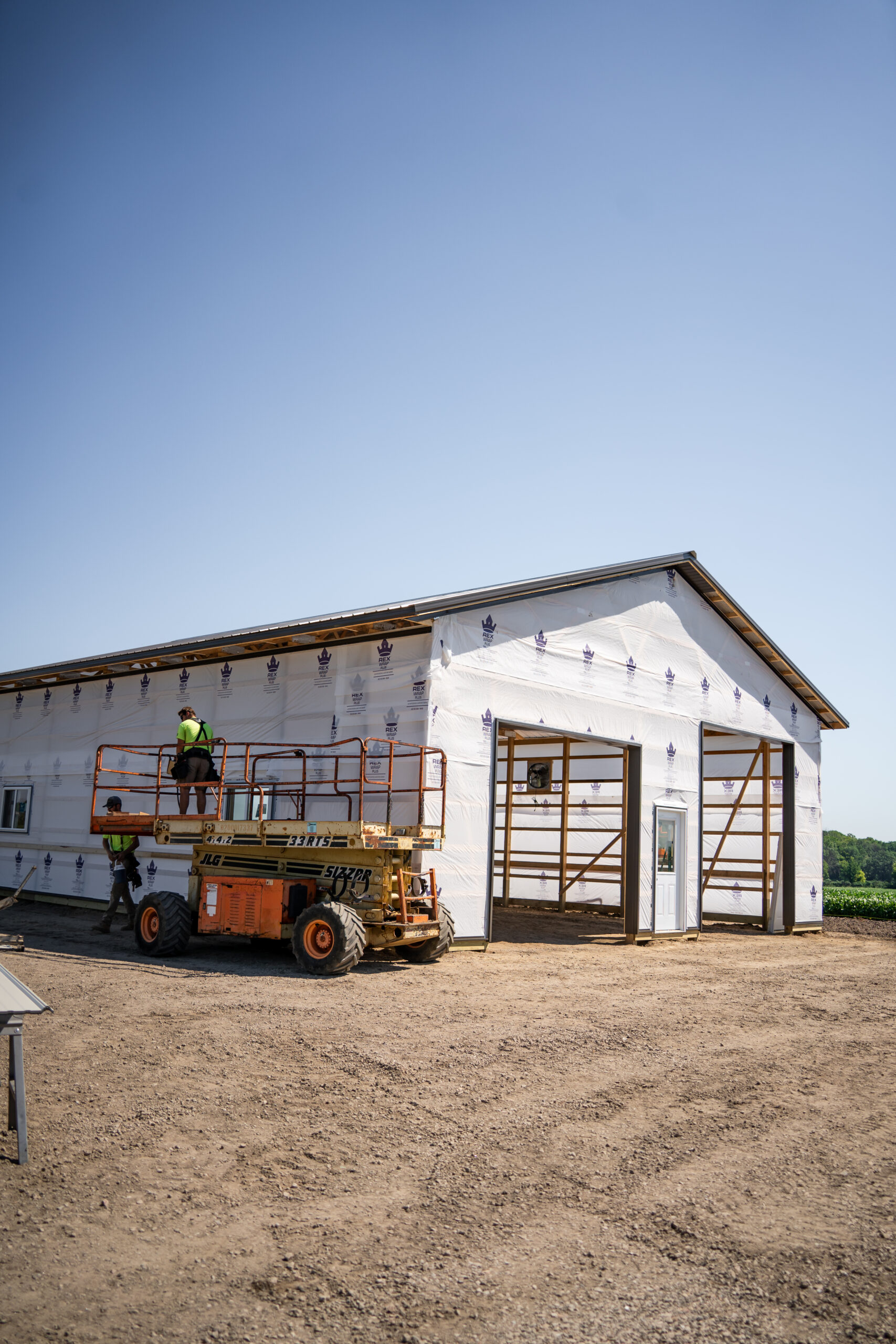
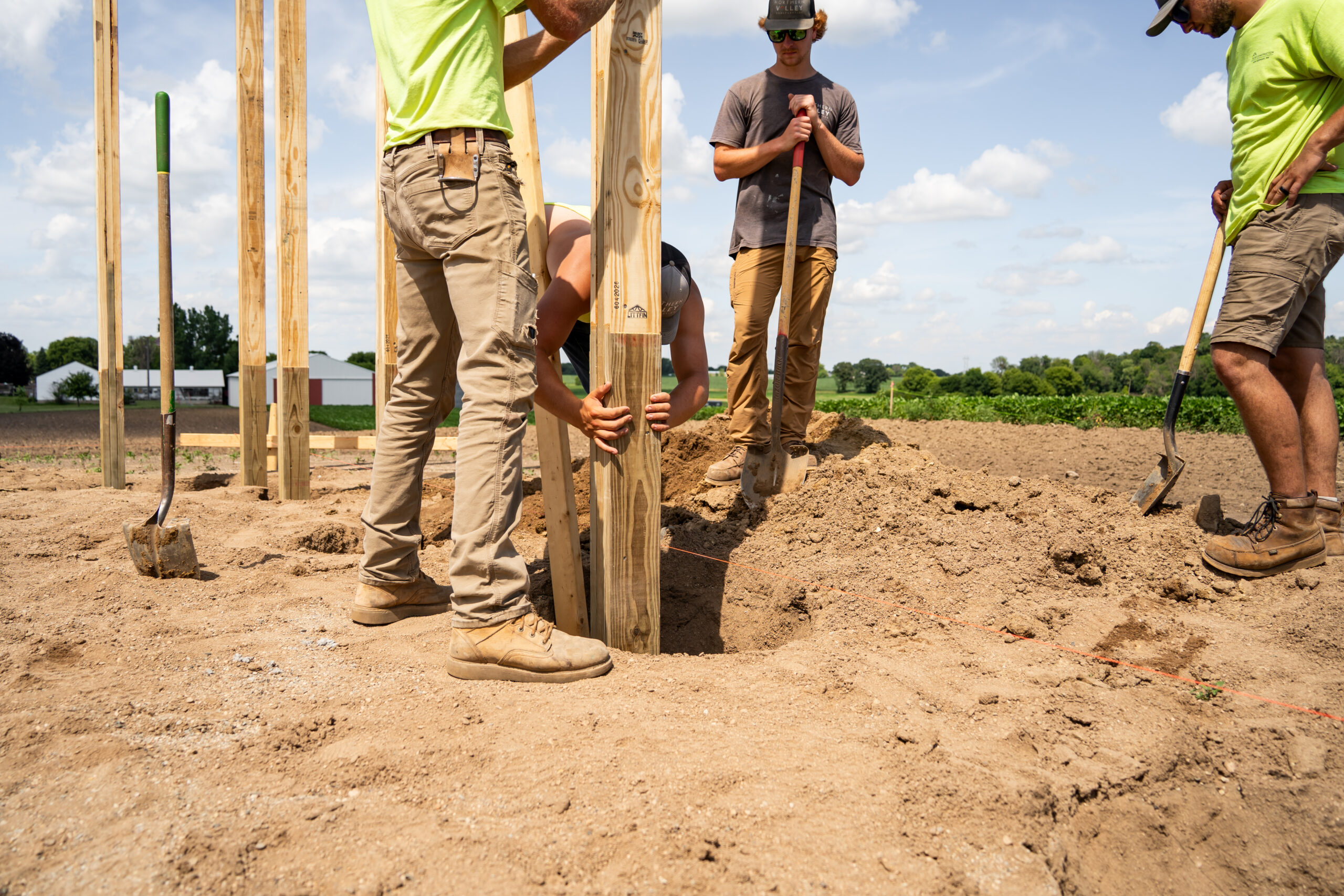
Rather than subcontracting its primary post-frame builds to outside crews, Northern Valley uses its own construction team. This approach reflects the company’s focus on hands-on craftsmanship, clear communication, and accountability throughout the building process.
Based in Delano, Minnesota, Northern Valley specializes in post-frame construction for property owners throughout the Twin Cities area and surrounding communities.
The company builds pole sheds, garages, agricultural buildings, shops, and other custom structures designed around how each customer plans to use the space.
By keeping the primary building work in-house, Northern Valley can maintain a direct relationship between the people coordinating a project and the crew bringing it to life.
That matters because every property and building is different.
A storage shed for seasonal equipment won’t have the same requirements as a heated workshop. A building designed for farm machinery may need different door dimensions, clearances, and interior planning than a personal garage. Even two buildings with identical exterior dimensions can function very differently depending on their layouts.
Northern Valley’s approach emphasizes understanding those needs before construction begins and carrying that plan through to the finished structure.
A Good Building Starts Long Before Construction Day
While the crew performing the work is important, choosing a post frame builder also means looking at the planning process.
A successful project starts with understanding what the building needs to accomplish. How much space will you need today? Will you want to add equipment or change how the building is used later? Do you need large overhead doors, insulation, interior finishing, or room for utilities?
These decisions affect everything from the dimensions of the building to its structural design and long-term usefulness.
Northern Valley offers an online 3D design tool that allows customers to explore building layouts and submit their ideas for a custom quote. This gives property owners an opportunity to think through their needs before moving into the construction phase.
For example, someone planning a custom shop may need to consider ceiling height, door placement, work areas, storage, and future expansion. Addressing those details early can help create a building that works for its intended purpose rather than simply fitting within a certain budget.
Site preparation, drainage, permits, and structural requirements also deserve attention. In Minnesota, local conditions and building regulations can influence how a structure must be designed and installed.
An experienced builder should be able to explain the process, identify decisions that need to be made, and help the customer understand what to expect before work begins.
When the same company is closely involved in both planning and construction, that continuity can help keep the project aligned with the original goals.
How to Choose the Right Post Frame Builder in Minnesota
If you’re comparing builders for an upcoming project, take the time to look beyond the finished photos and advertised starting prices.
Ask about the company’s experience with the type of building you’re planning. A contractor that frequently constructs agricultural storage buildings may have a different background than one that specializes in heated workshops or custom garages.
It’s also worth discussing materials, structural design, permits, timelines, and how the company communicates throughout construction.
Find out whether the quote includes the same scope of work as competing estimates. One proposal may include site preparation, doors, or other features that another leaves out. Comparing the total scope is often more useful than comparing the bottom-line price alone.
And, of course, ask who will actually build the structure.
That answer can help you understand how the company operates and whether its approach matches your expectations.
Northern Valley Construction serves customers throughout the greater Twin Cities area and communities within approximately an hour of Delano. Its focus on custom post-frame buildings and in-house construction crews gives property owners an option when they’re looking for a builder that stays directly involved in the work.
Know Who You’re Hiring Before the First Post Goes in the Ground
A new post-frame building is a significant investment. Whether you’re adding a garage, building a workshop, expanding your agricultural storage, or creating a space for your business, you want the finished structure to meet your needs and hold up for years to come.
The materials and design matter, but so do the people responsible for putting everything together.
Understanding whether your builder uses in-house crews or subcontractors helps you ask better questions about communication, quality control, scheduling, and accountability.
At Northern Valley Construction, keeping primary post-frame construction in-house is part of the company’s commitment to staying involved from planning through the finished build.
Before you choose a post frame builder, make sure you know more than what the final building will look like.
Make sure you know who’s going to build it.