When it comes to building a home, most people automatically picture a traditional house. Framed walls, defined rooms, and a structure that follows a layout we’ve all seen before. But over time, another option has been gaining traction, especially in areas like Minnesota, and that’s the barndominium.
If you’ve been searching for barndominiums near me or exploring barndominiums in Delano, MN, you’ve likely realized that they offer something different. Not just in how they look, but in how they function and how they’re built. The real question isn’t which one is better, it’s which one fits the way you actually want to live.
What’s the Real Difference Between the Two?
At a foundational level, the difference between a barndominium and a traditional home comes down to construction style and flexibility. Traditional homes are typically stick-built, relying on wood framing and following a more standardized residential design. This approach creates clearly defined rooms and layouts that most homeowners are familiar with.
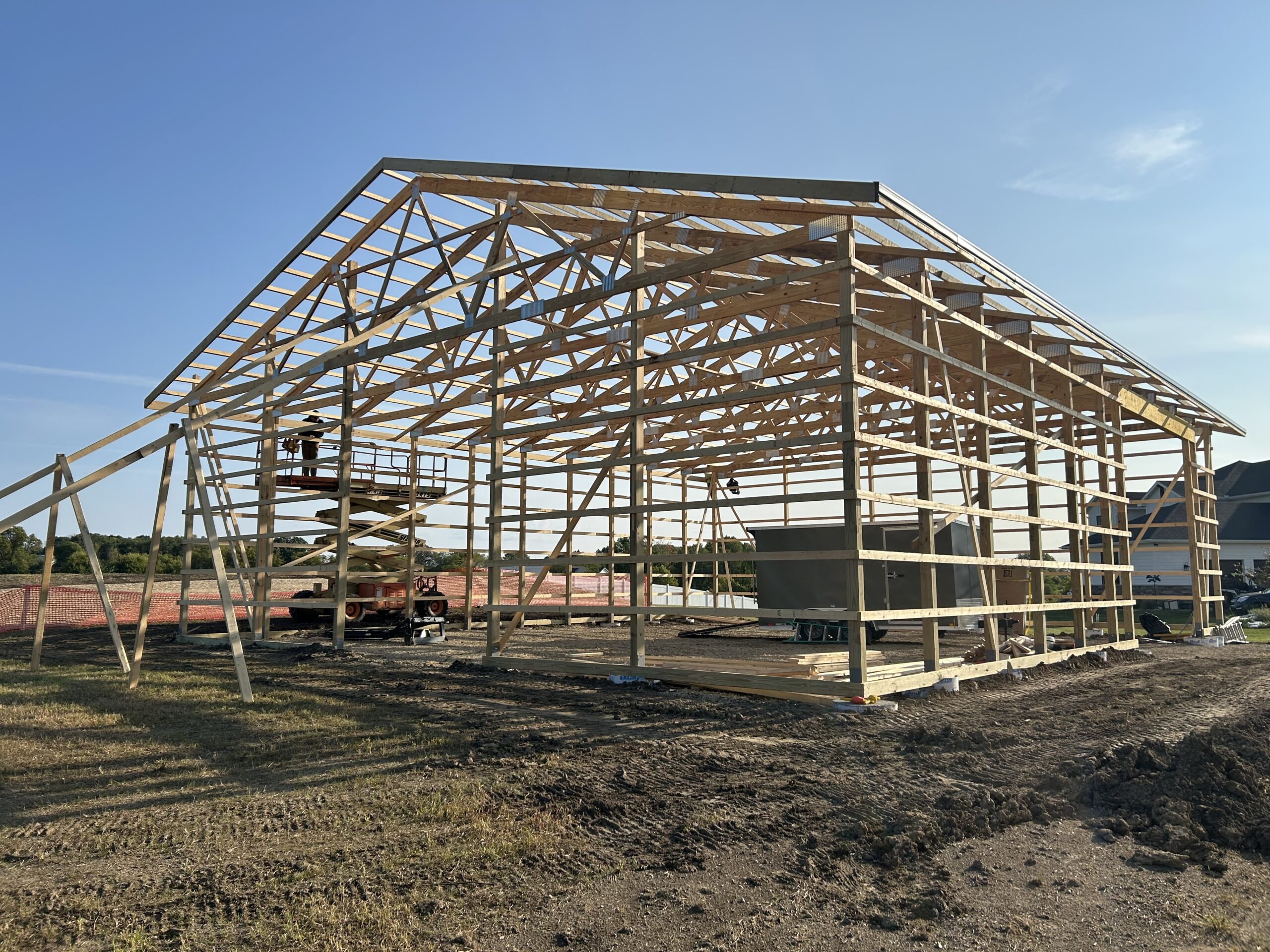
Barndominiums, on the other hand, are commonly built using post-frame construction. This method allows for wider spans and fewer interior load-bearing walls, which opens the door for more flexible layouts. Instead of working around structural limitations, homeowners can design spaces that fit their needs more directly. For those exploring different building methods, understanding how post-frame construction services work can help clarify why barndominiums offer more open and adaptable layouts compared to traditional homes.
That difference in structure is what creates the biggest shift, not just in how the home is built, but in how it can be used.
How Lifestyle Plays a Bigger Role Than You Think
Choosing between these two options often comes down to lifestyle more than anything else. Traditional homes tend to separate spaces into specific uses, living room, kitchen, bedrooms, and so on. That structure works well for many homeowners, especially those who prefer a more defined layout.
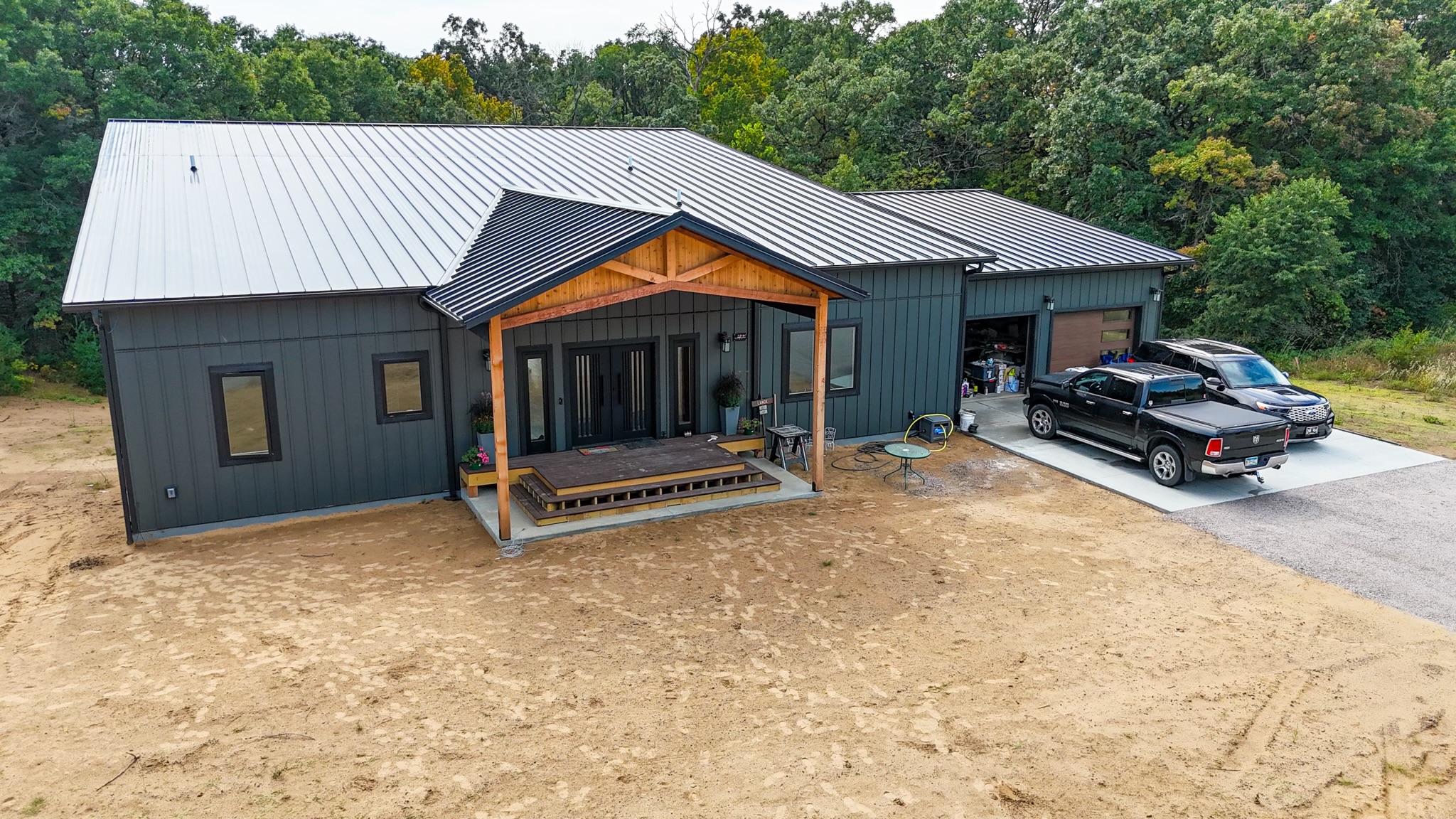
Barndominiums take a different approach. They’re often designed to combine living space with functional areas like garages, shops, or storage under one roof. This makes them especially appealing for homeowners who want more than just a place to live, they want a space that supports hobbies, equipment, or even business use.
For many people considering barndominiums in Delano, that flexibility becomes one of the biggest deciding factors. It allows the home to work around your life, rather than the other way around.
Barndominium vs Traditional Home: Side-by-Side
Sometimes the easiest way to understand the difference is to compare them directly:
| Feature | Barndominium | Traditional Home |
| Construction Type | Post frame | Stick-built |
| Layout | Open, flexible | Structured, segmented |
| Customization | High | Moderate |
| Multi-Use Capability | Strong | Limited |
| Ideal Setting | Rural / land-based | Neighborhoods |
This comparison highlights how each option serves a different purpose depending on how you plan to use the space.
How Minnesota Conditions Influence the Decision
Building in Minnesota adds another layer to the conversation. Long winters, heavy snow, and temperature swings all play a role in how a structure performs over time. Both traditional homes and barndominiums can be built to handle these conditions, but the way they’re designed can influence how they respond to them.
Post-frame structures, which are commonly used for barndominiums, are often well-suited for managing snow loads due to their structural design. Wide spans and strong framing systems can help distribute weight more effectively, reducing stress points across the building. According to the National Weather Service, snow load and freeze-thaw cycles are major factors in building durability in northern climates, which is why structural design matters just as much as materials.
This is also why choosing the right builder, and the right building method, matters just as much as the design itself. When a structure is built with these environmental factors in mind from the start, it tends to perform more reliably over time and require fewer adjustments or repairs down the road.
Looking at Cost vs Long-Term Value
Cost is always part of the decision, but it’s important to look beyond just the initial price. Traditional homes often come with more predictable pricing because they follow standardized construction methods and layouts. Barndominiums, on the other hand, can vary more depending on customization, size, and how the space is designed to function.
However, value isn’t just about upfront cost—it’s about what the structure replaces or eliminates over time. A barndominium that combines living space, storage, and a functional shop area can reduce the need for multiple buildings on the same property. That shift changes how the overall investment should be viewed, especially for those who need both residential and utility space.
For those exploring this type of build, working with experienced barndominium builders in Delano MN can help clarify how design decisions impact both cost and long-term usability. When you look at it from that perspective, the comparison becomes less about price alone and more about how effectively the space works for your needs over time.
Making the Right Choice for Your Property
Choosing between a barndominium and a traditional home isn’t about following what’s most common, it’s about finding what actually works for your lifestyle. Traditional homes offer familiarity and structure, while barndominiums provide flexibility and multi-use space that can adapt to how you live and work.
For many homeowners exploring barndominiums near me, that adaptability becomes the deciding factor. It creates a space that isn’t limited to one purpose, which is something traditional layouts don’t always offer.
When you step back and think about how you want your home to function long-term, the right choice tends to become much clearer.